
Life in the Hospital During Pregnancy: What No One Prepares You For
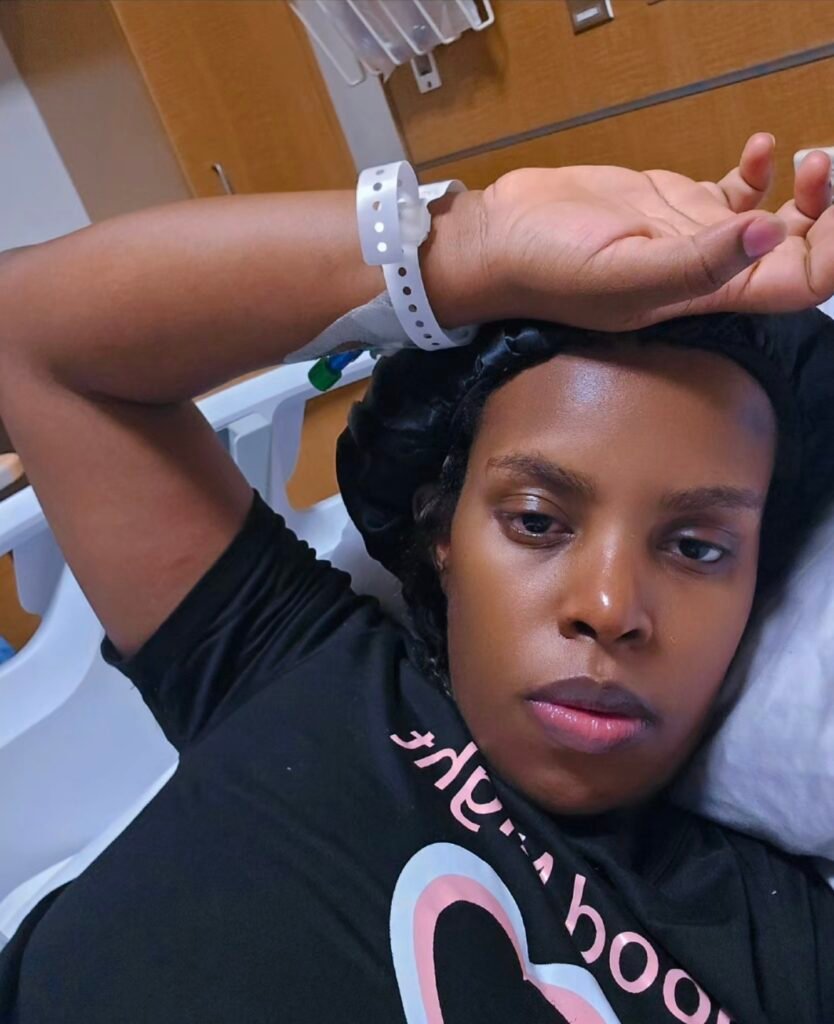
Most people imagine pregnancy as a journey that happens largely at home, doctor’s appointments, nursery planning, and counting down the weeks until delivery. But for many moms, pregnancy unfolds very differently. Some are admitted suddenly. Some expect to go home in a day and don’t. Some stay for weeks. Others for months. And the reasons vary more than people realize.
There Are Many Ways to End Up Hospitalized During Pregnancy
Not all hospital stays look the same, and not all begin the same way. Some moms are admitted because of:
PPROM (preterm premature rupture of membranes)
Preterm labor or contractions
Placental complications
Preeclampsia or blood pressure issues
Infections
Cervical shortening
Decreased fetal movement
Monitoring after trauma or complications
Or simply because something doesn’t feel right
Some moms experience pain. Some don’t. Some bleed. Some never do. What many hospital stays share, though, is uncertainty. You’re suddenly living in a space designed for short visits, not long stays, and your pregnancy no longer feels predictable.
The Moment Everything Changes
Hospital admission often comes with shock. One moment you’re living normal life. The next, you’re in a gown, attached to monitors, hearing words like “observation,” “high risk,” or “we need to keep you here for now.”
At first, you may tell yourself: “This is temporary.”
But when days pass and then more days, the reality settles in. You’re no longer just pregnant. You’re hospitalized while pregnant. And that changes everything.
The Strange Rhythm of Hospital Life
Over time, the hospital develops its own routine:
Vital signs at all hours
Monitoring sessions that interrupt sleep
Medication schedules you didn’t plan for
Daily rounds where you wait for answers
Even when things are considered “stable,” your nervous system rarely feels calm. For many moms, stability doesn’t feel reassuring, it feels fragile. You learn to listen closely to every change, every symptom, every update.
When Symptoms Don’t Match the Fear
One of the most confusing parts of pregnancy complications is that how you feel doesn’t always match what’s happening.
Some moms experience intense pain. Others feel surprisingly okay, even when something serious is unfolding.
In my own experience, what started as faint, light pink bleeding didn’t come with severe pain. The discomfort felt mild, almost like a light period cramp. But over time, the bleeding worsened, lasted for days, and required constant monitoring.
That disconnect between mild symptoms and serious concern can be deeply unsettling. It teaches you that pregnancy complications don’t always announce themselves loudly.
Living in a Constant State of “Waiting”
One of the hardest parts of a prolonged hospital stay is the waiting.
Waiting for:
Lab results
Ultrasound findings
Bleeding to stop
Contractions to quiet
The next decision
Sometimes there’s a clear plan. Sometimes there isn’t. And when progress doesn’t come or symptoms linger, the emotional weight builds.
Waiting without improvement can feel heavier than receiving definitive news.
The Emotional Side No One Talks About Enough
Hospital stays affect more than your body.
Many moms experience:
Guilt for being away from family or other children
Anxiety about every monitor beep
Exhaustion that sleep doesn’t fix
Fear that comes in waves — quiet, then overwhelming
You might feel grateful for care and deeply unhappy to be there. Both can be true. And because you’re pregnant, there’s often pressure to stay positive, even when you’re mentally and emotionally drained.
When Plans Shift Quickly
Sometimes hospital stays end with careful discharge plans. Other times, things change fast.
Medications may be started to protect you or your baby. Discussions about delivery can happen sooner than expected. Decisions may need to be made while you’re physically exhausted and emotionally raw.
In my case, after days of ongoing bleeding, preparations were made in case delivery became necessary. It wasn’t until after birth that placental abruption was confirmed — something that hadn’t been fully clear while everything was unfolding.
That lack of clarity is common in pregnancy complications, and it can leave lasting emotional echoes.
How Hospitalization Changes You
Many moms don’t realize how much a hospital stay shapes them until afterward.
You may notice:
Difficulty relaxing once you’re home
Lingering anxiety
Heightened awareness of your body
A sense of disconnect from the pregnancy you imagined
These are not signs of weakness, they are normal responses to prolonged uncertainty and stress. Your body and mind were protecting you.
If You’re Reading This From a Hospital Bed
If this is you right now, hear this clearly:
You are not overreacting.
You are not failing.
You are doing something incredibly hard.
Every day you remain in this space, advocating, enduring, hoping, matters more than you know.
Final Thoughts
Pregnancy hospital stays don’t follow one story.
They look different for every mom, but they leave similar marks: resilience, vulnerability, and a strength you didn’t ask for but carry anyway.
Sharing these experiences matters. It reminds other moms that they’re not alone even in the quietest hospital rooms.
If you’re navigating pregnancy complications, the NICU, or life after discharge, you’ll find educational and supportive reads here at Debbie the NICU Mama — a space created to bridge medical understanding with real-life motherhood.