
One common practice in the Neonatal Intensive Care Unit (NICU) is fortifying breast milk.
Premature babies often have very different nutritional needs compared to full-term infants. Because they are born before their bodies have fully matured, many preemies require additional nutrients to support growth and development.
For parents who are pumping milk for their premature baby, this can raise an important question:
Why does my baby need fortifier if breast milk is already the best nutrition?
Understanding why fortification is used can help parents feel more confident about their baby’s care.
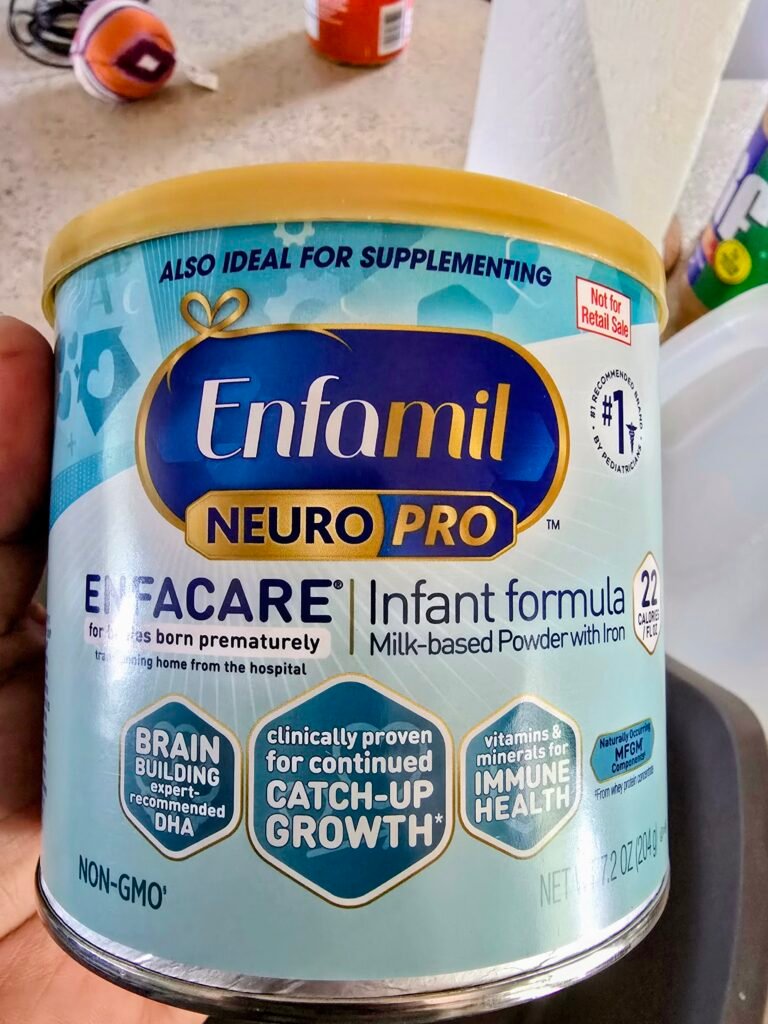
What Is Breast Milk Fortification?
Breast milk fortification is the process of adding additional nutrients to expressed breast milk to increase its nutritional value.
This is usually done by mixing a human milk fortifier (HMF) into pumped breast milk before feeding it to the baby.
Human milk fortifiers may add extra:
- calories
- protein
- calcium
- phosphorus
- vitamins
- minerals
These nutrients help support the rapid growth that premature babies need in the early weeks of life.
Even though breast milk is highly beneficial, premature babies sometimes need more concentrated nutrition than breast milk alone provides.
Why Premature Babies Need Extra Nutrition
During the last trimester of pregnancy, babies typically gain most of their weight and build important nutrient stores.
When a baby is born early, they miss part of this critical growth period.
As a result, premature babies may need additional nutrients to support:
- brain development
- bone growth
- muscle development
- healthy weight gain
Fortified breast milk allows babies to continue receiving the protective benefits of breast milk while also getting the extra nutrients needed for growth.
When Fortification Is Typically Used
Not every premature baby requires fortification, but it is commonly used for babies who are:
- born very early
- very low birth weight
- having difficulty gaining weight
- requiring additional calories for growth
NICU teams closely monitor a baby’s daily weight gain and feeding tolerance.
Based on these measurements, doctors may adjust:
- the amount of fortifier used
- feeding volumes
- overall nutrition plans
Many babies gradually transition to unfortified breast milk or regular feeds as they grow stronger.
Does Fortification Mean Breast Milk Is Not Enough?
This is a common concern for NICU parents.
The need for fortification does not mean breast milk is inadequate.
In fact, breast milk remains extremely valuable for premature babies because it provides:
- immune protection
- easier digestion
- lower risk of certain infections such as NEC
- important growth factors
Fortification simply helps bridge the nutritional gap while premature babies catch up on growth.
Final Thoughts
Fortifying breast milk is a common and carefully monitored practice in many NICUs. It allows premature babies to receive the powerful benefits of breast milk while also getting the extra nutrients needed during a critical period of development.
As babies grow stronger and begin gaining weight consistently, many are eventually able to transition to regular breast milk feeds.
If you’re currently pumping for your baby, you might also want to read:
How Pumping Works and Preemie Birth Weights by Week
Stay Connected
Navigating the NICU can come with many questions about feeding, growth, and development.
At Debbie the NICU Mama, we share helpful guidance for parents of premature babies, including topics like pumping, NICU care, and preemie development.
Subscribe below to receive new articles and resources designed to support you during your NICU journey.