
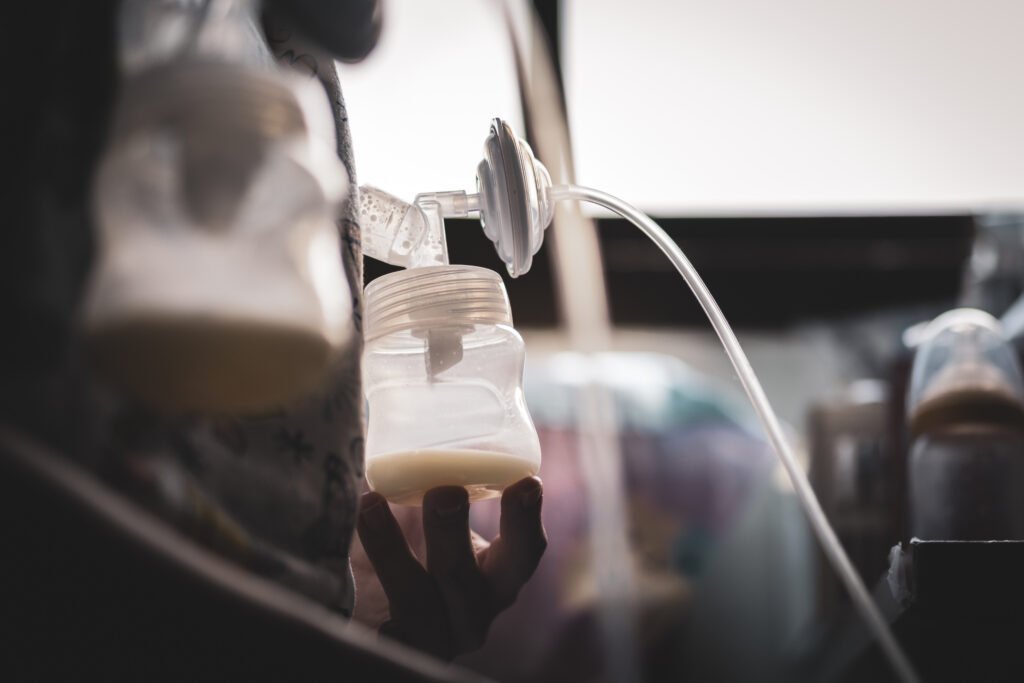
Understanding how often to pump is one of the most common questions mothers have when they begin their pumping journey. Pumping schedules can vary depending on your situation, your baby’s feeding pattern, and your milk supply goals.
However, many mothers feel overwhelmed by conflicting advice about pumping frequency. For this reason, it helps to understand how milk production works and how pumping routines support milk supply.
This article is part of our Pumping & Milk Supply Education Hub, where you can explore more guides on pumping, milk production, and breastmilk storage.
If you’re new to pumping, you may also want to read our guide on how pumping works and how milk supply responds to milk removal.
Why How Often to Pump Matters for Milk Supply
Breastmilk production works on a supply and demand system. When milk is removed from the breast, the body receives the signal to produce more milk.
Because of this, how often to pump plays a major role in maintaining milk supply. Regular milk removal helps the body continue producing milk.
In addition, frequent pumping helps prevent milk from remaining in the breast for long periods of time. When milk stays in the breast for too long, the body may slow down milk production.
According to the Centers for Disease Control and Prevention, frequent milk removal is one of the key factors that helps maintain breastmilk production.
How Often to Pump if You Are Exclusively Pumping
For mothers who are exclusively pumping, pumping frequency is especially important.
During the early weeks after birth, many mothers aim for 8–12 milk removal sessions within 24 hours. This pattern helps mimic how often newborns typically feed.
For example, pumping sessions are often spaced about every 2–3 hours during the day. Overnight pumping may also be helpful during the early weeks because milk production hormones tend to be higher during the early morning hours.
However, pumping schedules do not need to be perfectly timed. Some mothers adjust their pumping routines based on sleep, work schedules, or their baby’s needs.
Over time, once milk supply becomes more established, some mothers gradually reduce the number of daily pumping sessions.
Educational resources from La Leche League International also explain that frequent milk removal helps support milk production during the early weeks after birth.
How Often to Pump if You Are Breastfeeding and Pumping
Some mothers both breastfeed and pump. In this situation, pumping frequency may vary depending on personal goals.
For example, some mothers pump after breastfeeding sessions to help increase milk supply. Others pump between feedings when they want to store extra milk.
In addition, pumping may help relieve breast fullness or maintain comfort if a baby sleeps longer than usual.
Because every feeding routine is different, there is no single schedule that works for everyone. Instead, many mothers adjust pumping based on their baby’s feeding patterns and their milk storage goals.
How Often to Pump When You Are Separated From Your Baby
Some mothers pump because they are temporarily separated from their baby. This situation may occur when babies are in the NICU or when mothers return to work.
In these cases, pumping often replaces the baby’s normal feeding schedule.
For example, mothers may pump every few hours to help maintain milk production. Frequent milk removal sends signals to the body that milk is still needed.
As a result, consistent pumping may help protect milk supply until direct breastfeeding becomes possible.
Signs Your Pumping Routine Is Working
Many mothers wonder whether their pumping routine is effective. Fortunately, several signs can suggest that pumping is supporting milk production.
For example, breasts may feel softer after pumping sessions. In addition, milk output may gradually increase as the body adjusts to a regular pumping routine.
Some mothers also notice that pumping becomes more comfortable as they establish a consistent schedule.
However, pumping output can change from day to day. Small differences in milk volume are normal and do not always indicate a change in milk supply.
When Your Pumping Schedule May Need Adjustment
Sometimes mothers notice that pumping sessions become uncomfortable or that milk output decreases.
In these situations, adjusting how often to pump may help support milk production. Increasing pumping frequency can sometimes help signal the body to produce more milk.
In other cases, improving flange fit or adjusting pump settings may make pumping more comfortable.
If pumping continues to feel difficult or painful, speaking with a healthcare provider or lactation professional may be helpful.
Wondering if Your Pump Output Is Normal?
Many mothers also wonder whether the amount of milk they pump during each session is typical.
However, pumping output can vary widely between individuals and even between sessions during the same day.
If you’re unsure whether your pumping output is normal, you can read our guide on what pump output is considered normal and why pumping volumes can change throughout the day.
Stay connected for more pumping support
Pumping can raise a lot of questions, especially in the early weeks. However, understanding how milk production works can make the process much less stressful.
If you’d like more practical guides on pumping, milk supply, and breastmilk storage, you can join our community of mothers learning together.
Subscribers receive new educational articles, helpful pumping tips, and updates from our Pumping & Milk Supply Education Hub.
Subscribe below to receive new guides and resources directly in your inbox.