
Flange fit is one of the most overlooked variables in pumping, and one of the most common reasons moms struggle with low or inconsistent output.
If pumping hurts, something needs adjusting.
If your output drops despite frequent sessions, something is interfering with effective milk removal.
Most pumps come with standard sizes, but standard does not mean correct.
Why Flange Fit Matters
When pumping, the flange is the funnel-shaped part of the pump that fits over the breast. Its job is to help create a seal around the nipple and allow the pump to remove milk effectively.
A properly fitted flange can make pumping more comfortable and efficient. However, when the flange size is too large or too small, pumping may become uncomfortable and milk removal may not be as effective.
Because of this, flange fit is one of the most important factors to consider when setting up a pumping routine.
Signs Your Flange May Not Fit Correctly
Flange fit can affect both comfort and milk removal. Some signs that a flange may not be the right size include:
- nipple rubbing against the sides of the flange tunnel
- excessive areola being pulled into the tunnel
- pain or discomfort during pumping
- reduced milk output despite regular pumping sessions
However, these signs can vary from one person to another. For many mothers, adjusting flange size can improve comfort during pumping sessions.
Possible Adjustments That May Help
If pumping feels uncomfortable or milk removal seems inefficient, some mothers try adjustments such as:
- experimenting with different flange sizes
- lowering pump suction settings
- trying silicone flange inserts or cushions
- adjusting pumping frequency
In many cases, small adjustments can improve comfort during pumping sessions.
Milk Production vs. Milk Removal
Milk production and milk removal are connected, but they are not the same thing.
You can have the ability to produce milk and still struggle to remove it efficiently. And inefficient removal sends weaker signals to your body over time.
Before assuming your supply is the problem, evaluate the mechanics.
Why Flange Fit Matters
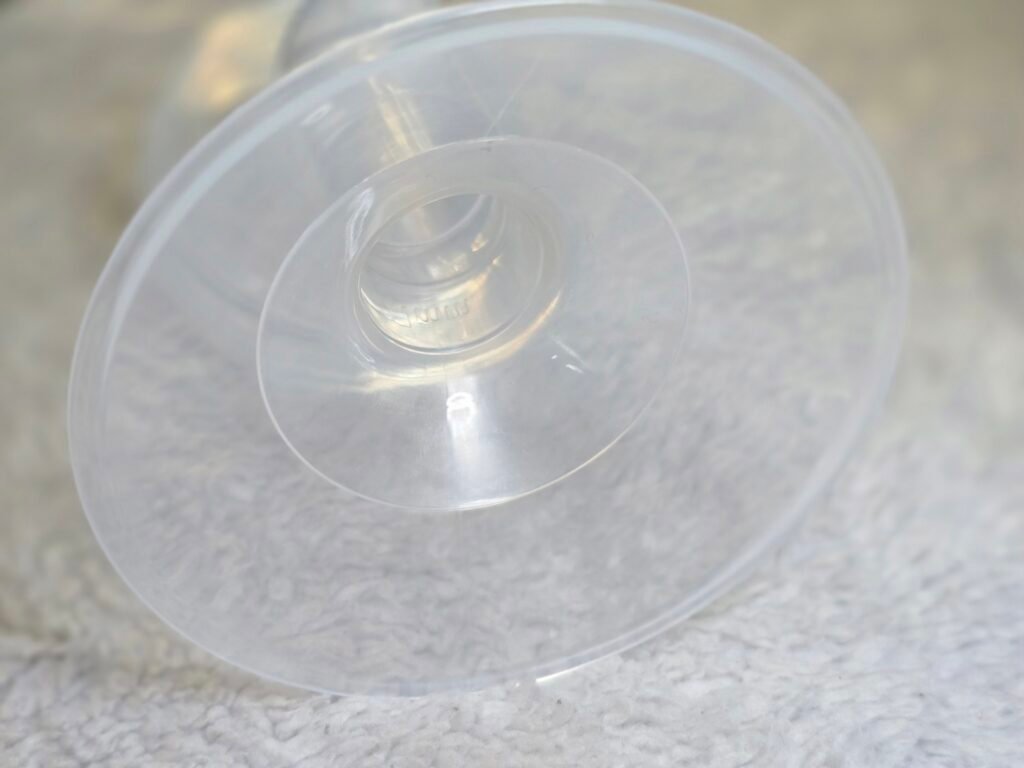
A poorly fitted flange can:
- Reduce milk extraction.
- Cause nipple swelling.
- Increase friction and inflammation.
- Lengthen sessions without improving output.
- Create gradual supply decline.
You can pump often and still not remove milk effectively.
Frequency protects supply, efficiency sustains it.
Signs Your Flange May Be Incorrect
You may notice:
- Persistent nipple pain.
- Areola pulling deeply into the tunnel.
- Nipple rubbing against tunnel walls.
- Swelling after sessions.
- Output decreasing despite consistent pumping.
Comfort is not optional. Effective milk removal requires proper alignment and appropriate sizing.
Nipple Shape and Elasticity During Pumping
During pumping, nipples do not always behave the same way. Some nipples stretch more easily with suction, while others may appear flat or inverted at rest.
Because pumps rely on suction to remove milk, the nipple is drawn into the flange tunnel during pumping. The way the nipple responds to this suction can vary depending on its shape and elasticity.
For example:
- Elastic nipples may stretch deeply into the flange tunnel during pumping.
- Flat nipples may not protrude much before pumping but can extend once suction begins.
- Inverted nipples may pull inward at rest but may temporarily evert with stimulation or suction.
These variations are normal and can still allow for effective pumping.
However, nipple shape and elasticity can influence how comfortable pumping feels and how well the pump removes milk.
In some cases, mothers notice that their nipple fills much of the flange tunnel or that more of the areola is pulled into the flange during pumping.
This does not always mean the flange size is incorrect. However, adjusting flange size, pump settings, or positioning may sometimes improve comfort and milk removal.
Because every pumping experience is different, it may take some experimentation to find the setup that feels most comfortable.
If you would like to see how different nipple types behave inside the flange tunnel during pumping, you can watch a helpful demonstration in this video.
The Mistake Most Moms Make
When output drops, the instinct is to:
- Add supplements.
- Power pump aggressively.
- Increase suction strength.
- Extend sessions.
Without first evaluating flange fit. Milk removal must be effective before frequency adjustments can work properly. Structure before intensity.
Why “Just Size Down the Flange” Isn’t Always the Answer
Online advice often oversimplifies flange fit into one variable: Diameter.
But effective pumping also involves:
- Elasticity response.
- Suction tolerance.
- Tunnel length.
- Swelling patterns.
- Session timing.
These variables interact. And guessing can make symptoms worse.
Before You Change Your Entire Routine
Evaluate:
✔ How your nipple moves in the tunnel of the flange.
✔ Whether swelling increases after sessions.
✔ Whether milk flow slows prematurely.
✔ Whether suction feels productive or painful.
Small mechanical adjustments can produce noticeable output differences. But they must be made intentionally.
If You’re Struggling With Output
Before assuming low supply, assess milk removal efficiency.
Milk production is biological.
Milk removal is mechanical. And mechanical issues are often correctable.
Understanding that distinction changes how you approach pumping entirely.
If you’re navigating your pumping journey and want to understand things more clearly, you may also find these guides helpful.
✔ Fundamentals of pumping routines.
✔ Explore how flange sizing and nipple elasticity affect comfort and milk removal.
✔ Discover strategies for increasing milk production.
✔ Review safe practices for handling and storing pumped milk.
Each guide breaks down common questions mothers have when pumping and breastfeeding.
Stay connected for deeper, practical pumping guidance.